
Blog Posts
Every Homeowner Should Know About Common Household Myths
Cleaning your home can feel like a constant cycle, especially when results don’t seem to last. Many homeowners follow routines that seem effective but are actually based on common misconceptions.
When these myths shape your habits, you may end up doing more work without better results. Understanding what truly works can help you maintain a cleaner home with less effort.
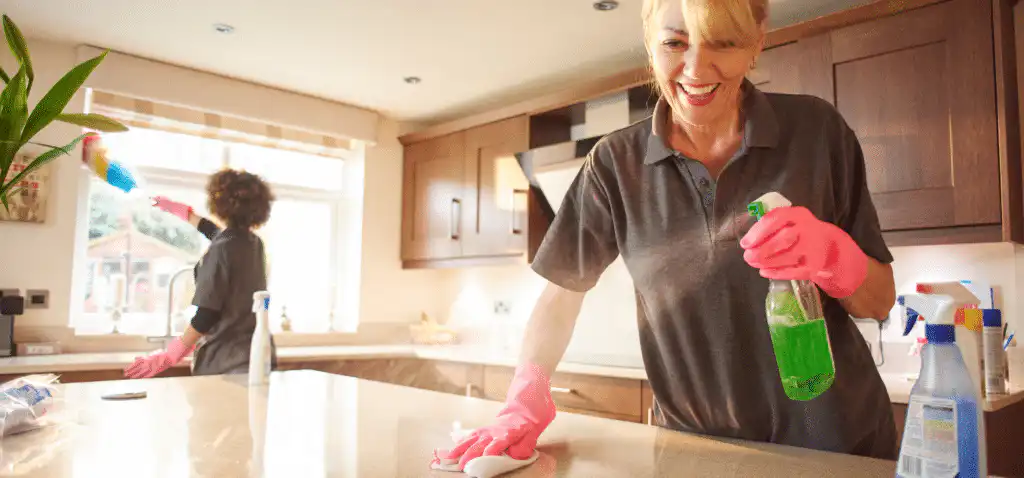
Why Cleaning Myths Can Affect Your Home
Cleaning myths often sound logical, which is why they are easy to follow without question. However, these habits can lead to inconsistent results and unnecessary effort.
When routines are built on assumptions instead of proven methods, homeowners may struggle to keep spaces consistently clean.
How myths influence daily routines
- Overusing cleaning products on surfaces
- Repeating tasks more often than necessary
- Missing areas that need regular attention
- Relying on quick fixes instead of long-term habits
These patterns can make cleaning feel more time-consuming. Adjusting your approach can improve both efficiency and results.
The impact on long-term cleanliness
When myths guide your routine, buildup can return faster than expected. This often leads to frustration and repeated cleaning without lasting improvement.
Replacing these habits with better strategies helps create a more manageable routine.
Where Misconceptions Show Up in the Home
Cleaning myths don’t just affect one area—they can influence how you care for your entire home. Certain spaces tend to show the effects more clearly.
Recognizing these areas helps you identify where changes can have the biggest impact.
Areas most affected by cleaning myths
- Kitchen surfaces that develop residue
- Bathrooms where buildup returns quickly
- Floors that lose their clean appearance fast
- Frequently used spaces that feel harder to maintain
These areas often require more attention when cleaning habits aren’t effective. Small changes can lead to noticeable improvements.
Why these areas need better strategies
High-use areas naturally collect more dirt and buildup. Without proper techniques, cleaning efforts may not fully address the problem.
Understanding how to approach these spaces can help maintain a more consistent level of cleanliness.
Practical Cleaning Approaches That Work Better
Moving away from myths means focusing on methods that actually support long-term results. Effective cleaning is about using the right techniques consistently.
A structured approach can make cleaning feel more manageable and less repetitive.
Helpful strategies to adopt
- Cleaning from top surfaces down to avoid rework
- Using the correct product for each material
- Allowing time for products to break down buildup
- Focusing on high-touch areas more frequently
These strategies help maintain cleanliness without increasing effort. Consistency plays a key role in achieving better outcomes.
For homeowners who want a more manageable routine, following a structured approach similar to a recurring home cleaning plan can help maintain consistency over time.
Why consistency leads to better results
Cleaning doesn’t need to be intense to be effective. Regular, consistent habits prevent buildup from becoming overwhelming.
This approach helps reduce the need for constant deep cleaning.
Habits That Help Prevent Cleaning Challenges
Prevention is one of the simplest ways to improve your cleaning routine. Small daily actions can reduce the amount of work needed later.
Focusing on habits instead of quick fixes leads to better long-term results.
Simple habits homeowners can build
- Wiping surfaces immediately after use
- Keeping commonly used items organized
- Addressing small messes before they grow
- Maintaining high-traffic areas regularly
These habits create a cleaner baseline for your home. They also make routine cleaning easier to manage.
Building a routine that lasts
Consistency is what turns small actions into lasting habits. Over time, these habits reduce effort and improve overall cleanliness.
A steady routine helps maintain a home that feels clean without constant work.
Frequently Asked Questions
Do cleaning myths really make a difference?
Yes, they can lead to ineffective routines that require more effort without better results.
Is it better to use more cleaning products?
No, using too much product can leave residue and make surfaces harder to maintain.
Why does my home get dirty again so quickly?
This often happens when cleaning methods don’t fully remove buildup or prevent it from returning.
How often should I clean high-use areas?
High-use areas should be maintained several times a week for best results.
Can I use the same cleaner everywhere?
No, different surfaces require specific products to avoid damage or residue.
Why do surfaces look dull after cleaning?
This is usually caused by leftover product or improper cleaning techniques.
Do I need a routine for cleaning?
Yes, a consistent routine helps maintain cleanliness and reduces effort over time.
Are quick cleaning methods enough?
They can help temporarily, but long-term results require consistent habits.
Conclusion
Understanding common cleaning myths allows homeowners to improve their routines and achieve better results with less effort. By focusing on effective habits and consistent strategies, maintaining a clean home becomes more manageable. Freshen Your Nest offers helpful insights into maintaining a cleaner home, and more information can be found.
Popup Quote Form
"*" indicates required fields